What is lottery mining?
Lottery mining is a popular name for solo Bitcoin mining with real SHA-256 hardware. Instead of receiving a predictable payment for contributing to a conventional pool, the miner repeatedly attempts to produce work strong enough to solve a Bitcoin block. Every hash is another attempt.
If you are new to the subject, start with What Is Crypto Mining? It explains Bitcoin mining, hashrate, accepted shares, pool addresses and ports before this guide goes deeper into the lottery-mining model.
How does solo Bitcoin mining work?
A home miner receives a block-mining job from a solo mining pool. The device changes values, performs SHA-256 calculations and submits results back to the pool. Most submissions prove that the miner is connected and working. A result that reaches the Bitcoin network target can become the next valid block.
The pool handles communication with the Bitcoin network while the miner provides the hashrate. This lets people take part in solo Bitcoin mining without building every piece of mining infrastructure at home.
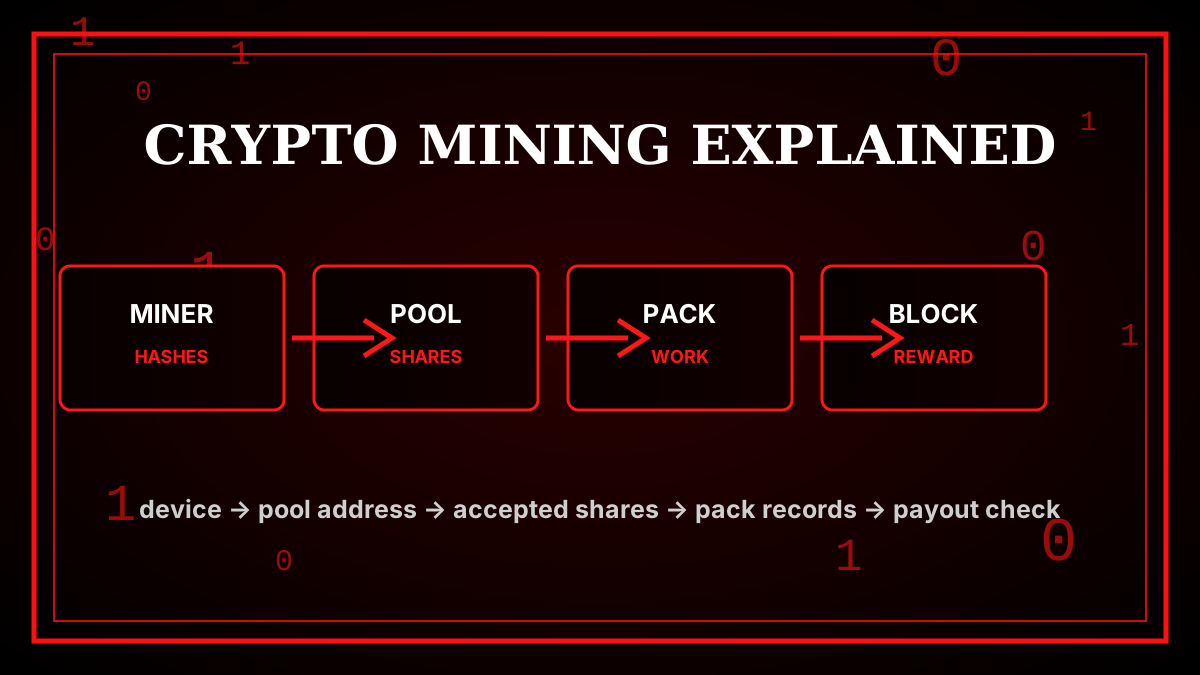
The flowchart below shows how pack mining works: multiple miners contribute hashrate to one pack, the pool coordinates their work and a verified block reward is distributed across the eligible active pack members. With a dedicated solo pool, you take the place of the whole pack. Only your own hashrate is hunting under your worker, and a block reward is handled according to that solo pool's terms instead of being shared across pack members.
Why is it called lottery mining?
The phrase comes from the shape of the outcome: miners make an enormous number of real attempts, but the decisive result is the one hash that reaches the network target. More hashrate means more attempts every second, which is why miners watch hashrate, best difficulty and accepted shares so closely.
Unlike buying a ticket, the machine is continuously performing useful proof-of-work calculations and can run all day. A Bitaxe producing around one terahash per second is making roughly one trillion hash attempts every second.
Why Bitaxe became the face of home lottery mining
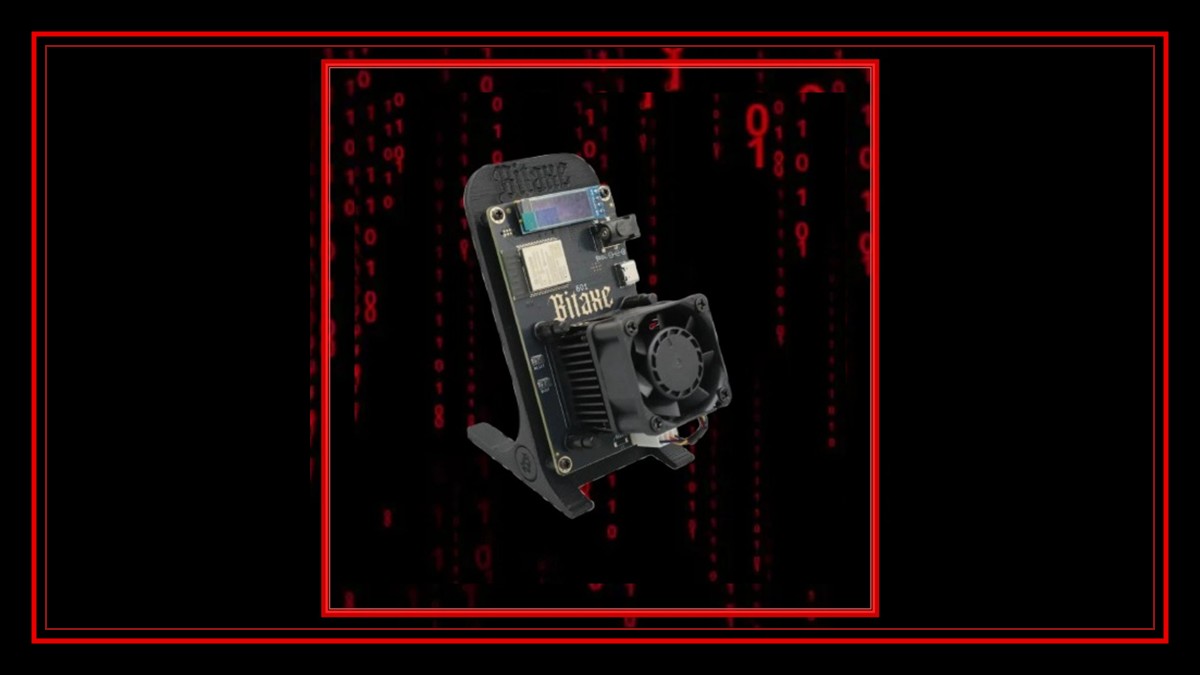
Bitaxe combines a real Bitcoin ASIC chip, low power use, Wi-Fi and the AxeOS dashboard in a compact open-source design. It gives people a practical entry point into home Bitcoin mining without the noise and electrical requirements of a full-size industrial miner.
Read the Bitaxe Gamma 601 review for the hardware overview. Owners who enjoy tuning can also explore the Bitaxe overclocking guide, while the BM1370 vs BM1373 comparison explains the newer chip options.
Where NerdQaxe fits
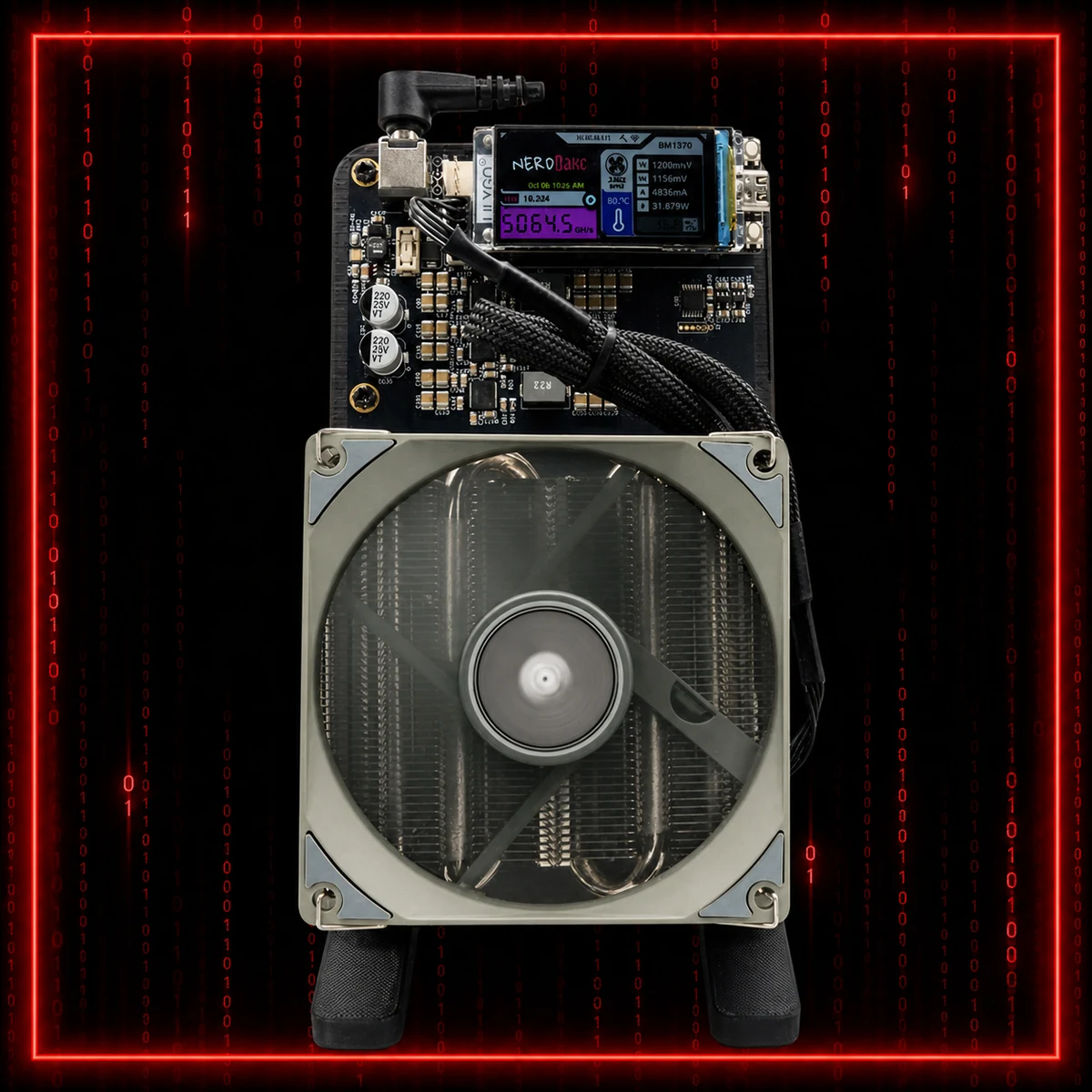
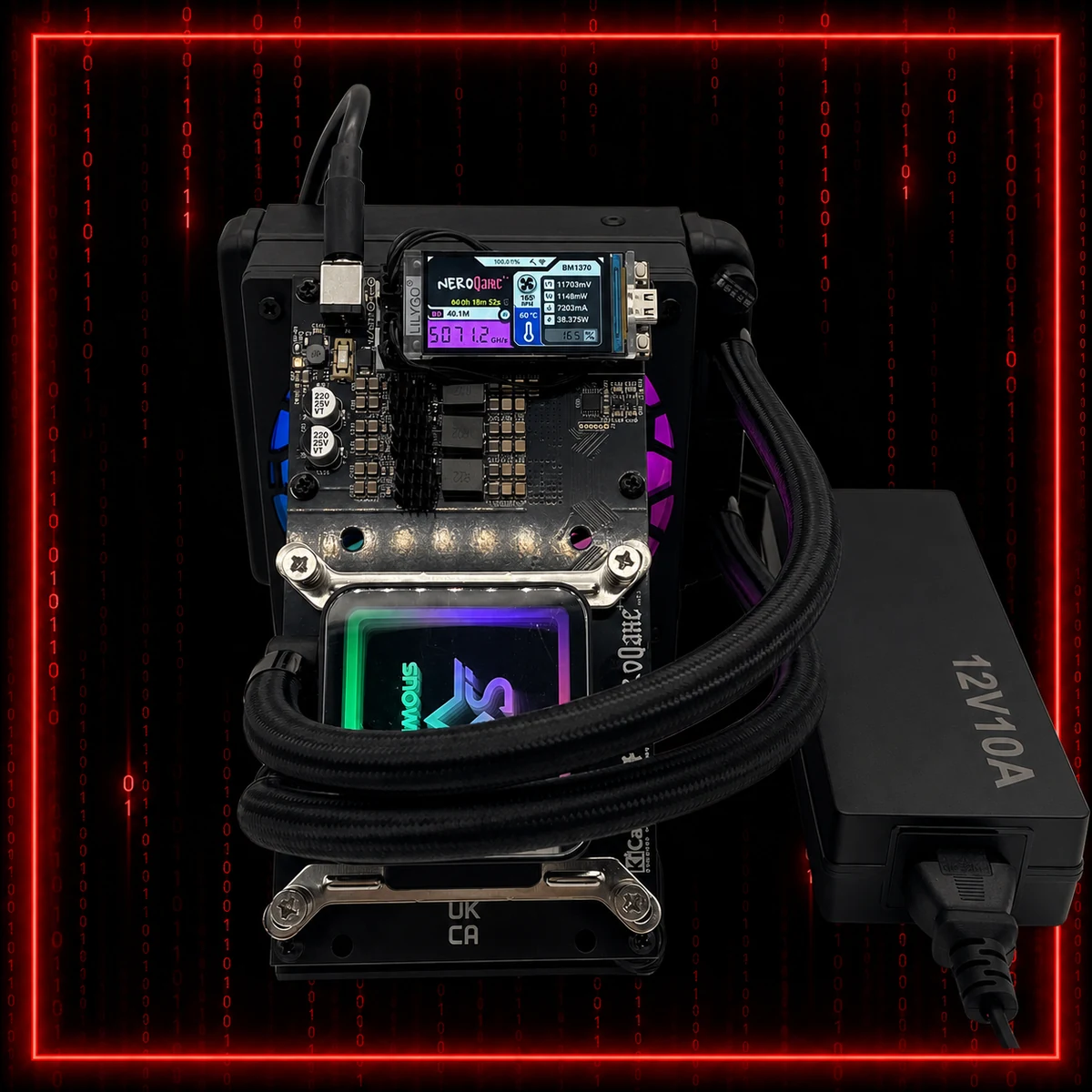
NerdQaxe devices apply the same home-mining idea with multiple ASIC chips and substantially more hashrate. They suit miners who want more attempts per second while keeping a compact enthusiast setup.
Compare the air-cooled NerdQaxe++ review with the liquid-cooled NerdQaxe Hydro review to see how cooling, power and tuning headroom change as hashrate increases.
What is a solo mining pool?
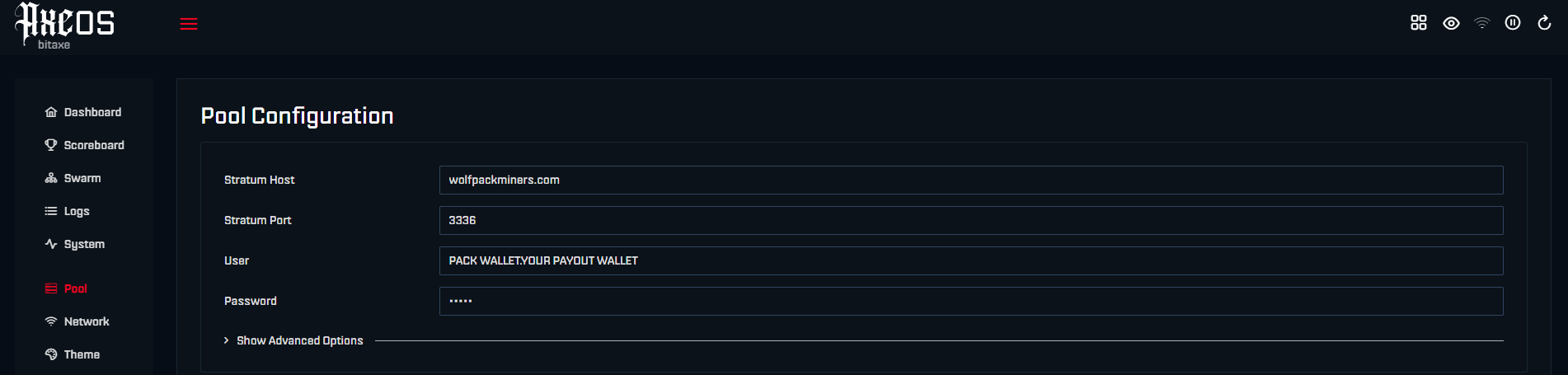
A solo mining pool connects miners to Bitcoin block templates, receives their submitted work and reports useful statistics. It gives home miners a simple pool address and port that can be entered into AxeOS, NerdAxe OS or another compatible miner dashboard.
You can choose a dedicated solo pool where your miner works independently under the pool's connection service. Before connecting, compare the pool's rules, fees, payout address requirements, supported hardware, minimum difficulty and statistics so you understand exactly how a valid block would be handled.
The live pool dashboard shows current workers, hashrate, shares and best difficulty.
Dedicated solo mining or aggregated pack mining?
A dedicated solo pool lets your miner work independently. Another option is pack hunting, where verified hashrate from multiple miners is aggregated into one larger total.
Hashrate aggregation is an efficient way to increase collective hash power without adding more machines, electricity use, fan noise or heat inside your own home. More combined hashrate produces more attempts per second and therefore improves the pack's odds of finding a block compared with the same miners working separately.
The trade-off must be clear: if a pack finds a block, the reward is distributed across the eligible active members of the whole pack rather than paid only to the miner whose device submitted the winning work. Review the available mining packs and the home Bitcoin mining and pack aggregation guide before deciding which approach suits you.
How to mine Bitcoin at home
- Choose a compatible SHA-256 miner such as a Bitaxe or NerdQaxe.
- Connect the miner to your 2.4 GHz home Wi-Fi network.
- Choose a dedicated solo pool or, if you would like a boost to your hashrate, a pack is a great option.
- Register the required payout wallet, then copy the correct pool address, port, worker username and password.
- Enter those details into the miner dashboard and save the settings.
- Check the live pool dashboard for accepted work and reported hashrate.
The illustrated Bitaxe setup and NerdQaxe setup guide shows every stage, including Wi-Fi, AxeOS, pool configuration and pack registration.
What do accepted shares mean?
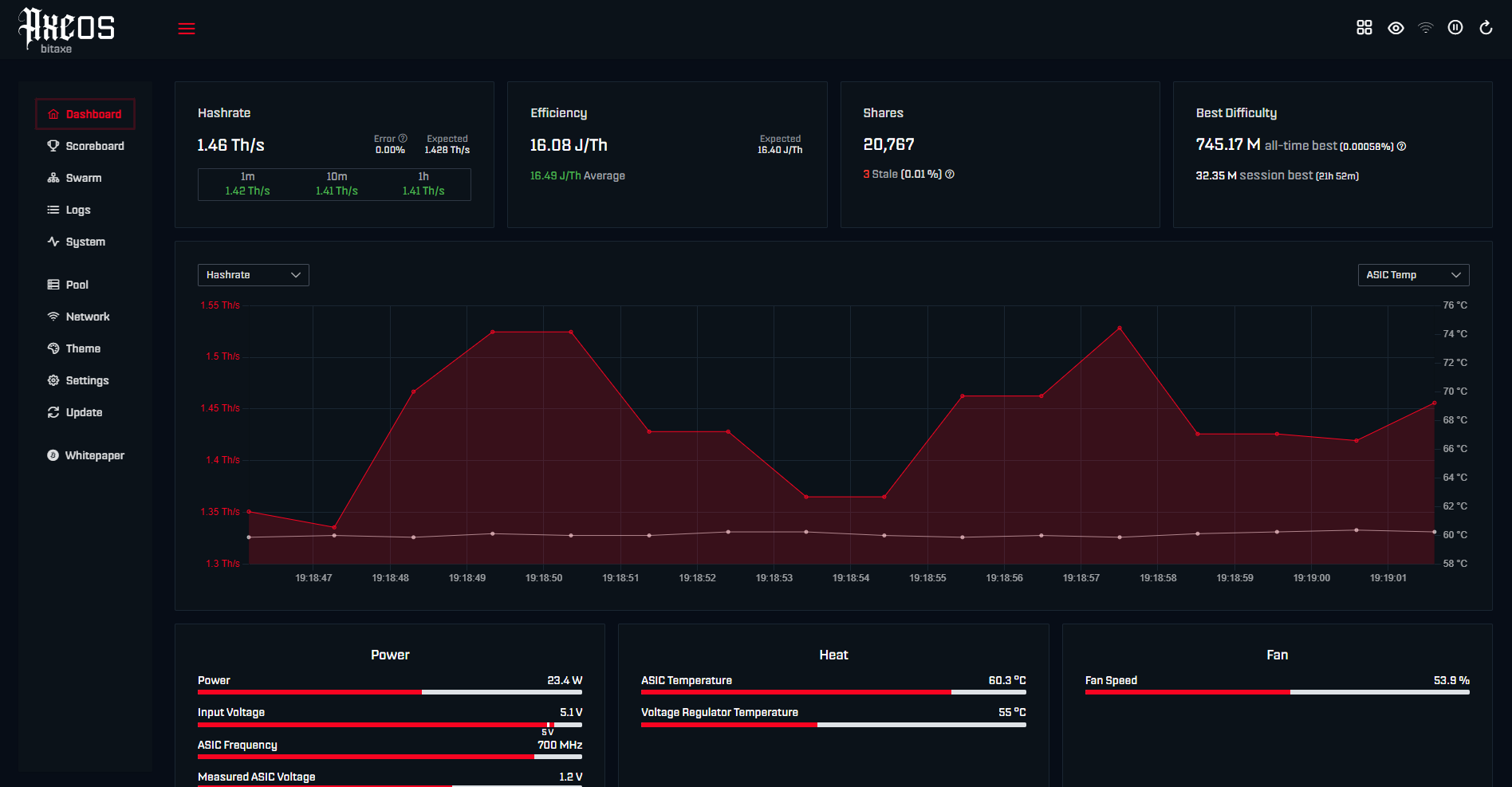
An accepted share confirms that the miner submitted valid work at the pool's assigned share difficulty. Shares help the server measure activity and estimate hashrate. They are not Bitcoin blocks, and their count does not represent a percentage of a future payout.
Best difficulty records the strongest submitted result. It is one of the most engaging statistics in lottery mining because it shows how close a miner's best work came to increasingly difficult targets.
Can multiple devices use one wallet?
That depends on the pool's rules. Wolf Pack Miners allows multiple compatible miners to use the same registered wallet credentials while remaining one member. Their combined hashrate is attributed to that member rather than consuming extra places.
Start your lottery-mining setup
A Bitaxe is a strong first step, while a NerdQaxe adds more hashrate. Less powerful devices such as CYD miners can still take part and it remains possible for them to hit a block, but they rarely produce valid work because their computational power is extremely limited. Bitaxe is widely regarded as the entry-level Bitcoin miner across the home-mining community. CYD-style and smaller miners are a great introduction to the hobby, look excellent as desk ornaments and conversation pieces, but are severely limited in computational power. The essential process is simple: choose your preferred solo-mining approach, confirm the pool rules, copy the correct connection details and point the miner at the pool.
Related Bitcoin mining guides
Crypto mining fully explained · Home Bitcoin mining · Bitaxe and NerdQaxe setup · Bitaxe overclocking
Bitaxe Gamma review · NerdQaxe++ review · NerdQaxe Hydro review · BM1370 vs BM1373